 playtua
Best Brain Training Games That Actually Work in 2025
Discover brain training games that actually improve cognitive function! Free puzzle games for memory, logic, and problem-solving. Backed by science. Explore the topic in detail, discover related games and follow the links to keep learning. Whether you are choosing your next game or returning to a favourite, use this story as a starting point for a more enjoyable round.

Can mobile games actually make you smarter? The short answer: yes, if you play the right ones.
Research from institutions like Cambridge University and the University of California has shown that regularly engaging with puzzle and strategy games can improve working memory, processing speed, and cognitive flexibility. The key isn't playing any random game — it's playing games that challenge specific cognitive skills.
Playtua offers an ideal brain training toolkit: 10+ scientifically relevant puzzle games that target different aspects of cognition. And unlike dedicated "brain training" apps that charge monthly subscriptions, every game is completely free.
The Science Behind Game-Based Brain Training
Your brain is like a muscle — it strengthens with the right kind of exercise. Different types of games target different cognitive functions:
The most effective brain training involves variety — rotating between different game types prevents plateaus and provides comprehensive cognitive stimulation.
Games for Logical Reasoning
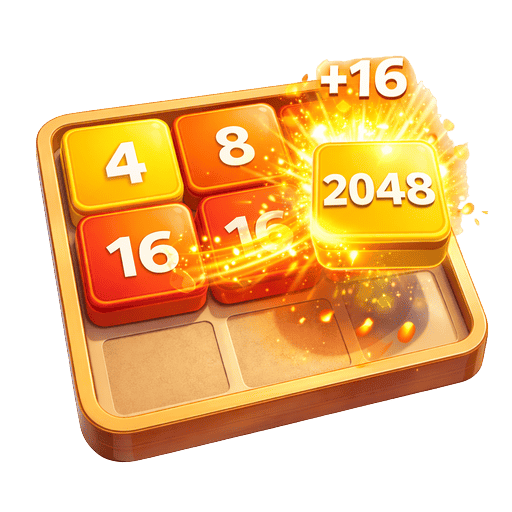
2048 — Strategic Number Merging
Playtua is available for free on Google Play and the App Store — 50+ games, no ads.
2048 is one of the most effective brain training games ever created. Every swipe requires you to think several moves ahead: If I merge these tiles, what will the board look like? Where will the new tile spawn? Will I have space for future merges?
This kind of forward planning directly exercises the prefrontal cortex — the brain region responsible for executive function.
Brain training benefits:
Multi-step strategic planning
Probability assessment (predicting tile spawns)
Spatial optimization (efficient use of limited board space)
Pattern recognition (building efficient merge chains)
Tip: Keep your highest tile in a corner and build numbers in a snake pattern along the edges. This strategy teaches disciplined, systematic thinking.
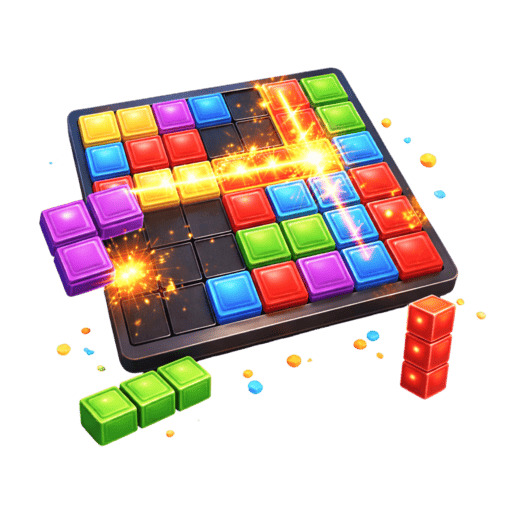
Block Blast — Spatial Strategy
Block Blast challenges your brain to fit irregularly shaped blocks into a grid while planning line completions. Every placement decision involves evaluating multiple variables simultaneously: Does this piece fit here? Will it complete a line? Am I leaving space for the next pieces?
Brain training benefits:
Spatial visualization and mental rotation
Multi-variable decision-making
Resource optimization under constraints
Planning under uncertainty (unknown future pieces)
Colors Sort — Constraint-Based Logic
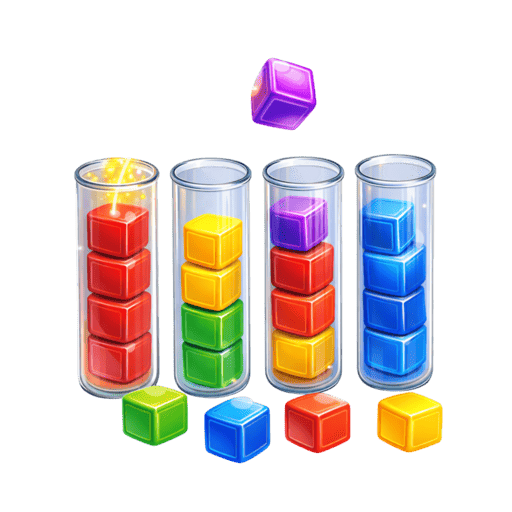
Colors Sort is pure logical reasoning. You must sort colored liquids into matching tubes, but each tube has limited capacity and you can only pour onto matching colors or empty tubes. It's essentially a logic puzzle that trains constraint satisfaction — the same type of thinking used in coding, engineering, and project management.
Brain training benefits:
Constraint satisfaction problem-solving
Sequential planning (ordering moves correctly)
Working memory (tracking multiple tube states)
Pattern recognition (identifying solvable states)
Games for Spatial Awareness
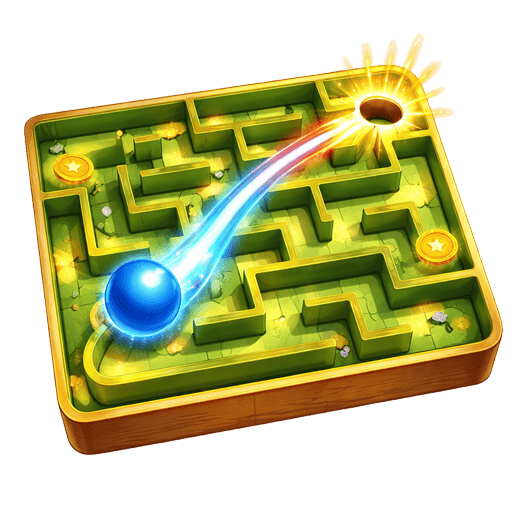
Maze Runner — Mental Mapping
Maze Runner trains your brain to build and maintain mental maps — the same skill used for navigation, reading floor plans, and understanding complex layouts. Each procedurally generated maze requires you to explore, remember dead ends, and find efficient paths.
Brain training benefits:
Spatial memory and mental mapping
Efficient pathfinding strategies
Orientation and direction sense
Decision-making at junctions
Connect Em All — Path Planning
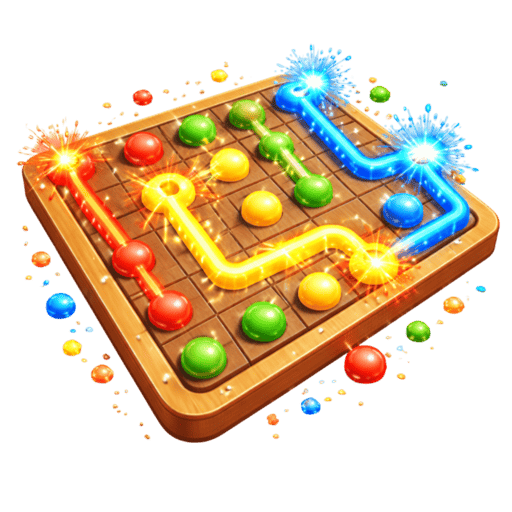
Connect Em All develops a specific type of spatial intelligence: path planning. Connect matching colored dots without crossing paths, filling every cell on the board. This requires visualizing multiple non-intersecting paths simultaneously.
Brain training benefits:
Simultaneous multi-path visualization
Spatial constraint satisfaction
Forward planning in 2D space
Efficient space utilization
Games for Pattern Recognition
Candy Crush — Visual Pattern Matching
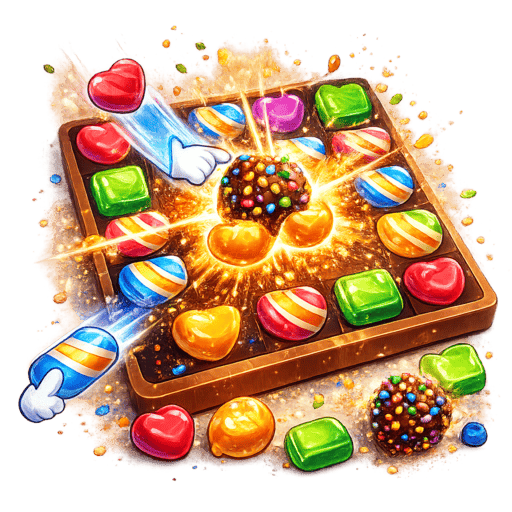
Candy Crush trains rapid visual pattern recognition and cascade prediction. Skilled players don't just match the obvious three-in-a-row — they predict how pieces will fall after matches, setting up chain reactions that clear large portions of the board.
Brain training benefits:
Rapid visual scanning
Cascade and consequence prediction
Pattern matching speed
Strategic prioritization (which match to make first)
Word Search & Number Search — Scanning Skills
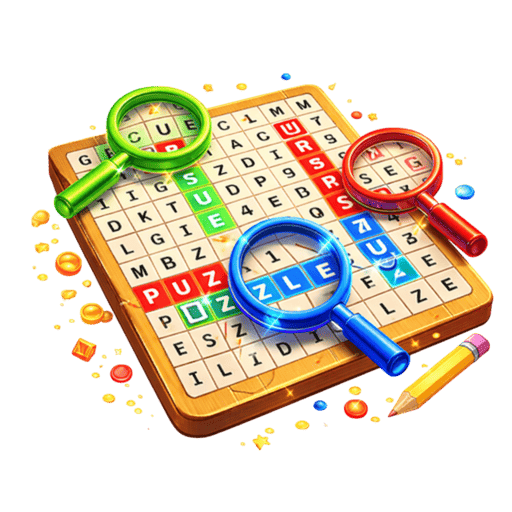
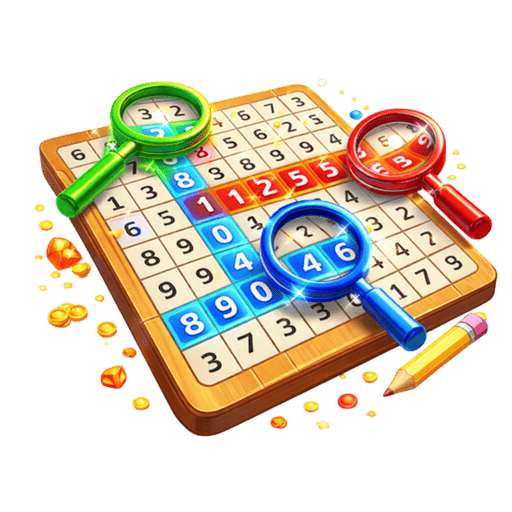
Word Search and Number Search train your brain's visual scanning abilities. Finding hidden words and numbers in grids strengthens the same cognitive pathways used for proofreading, data analysis, and attention to detail.
Brain training benefits:
Visual scanning speed and accuracy
Sustained attention and focus
Pattern discrimination (finding targets among distractors)
Systematic search strategies
Creating Your Optimal Brain Training Routine
For the best results, create a daily rotation that targets different cognitive skills:
The 15-Minute Daily Brain Workout
Monday/Wednesday/Friday — Logic Days:
5 min: 2048 (strategic planning)
5 min: Colors Sort (constraint logic)
5 min: Block Blast (spatial strategy)
Tuesday/Thursday — Pattern Days:
5 min: Candy Crush (pattern matching)
5 min: Word Search (visual scanning)
5 min: Number Search (focused attention)
Weekend — Exploration Days:
10 min: Maze Runner (spatial mapping)
5 min: Connect Em All (path planning)
Tips for Maximum Cognitive Benefit
Increase difficulty gradually — Stay in the zone where games are challenging but not frustrating
Vary your games — Rotating between types prevents your brain from "autopiloting"
Play actively, not passively — Think about why you're making each move
Be consistent — 15 minutes daily beats 2 hours on weekends
Track your progress — Use leaderboards and high scores to see improvement over time
Brain Training for Different Ages
For Students (Ages 12-25)
Focus on 2048 and Block Blast for academic-relevant logical thinking. Word Search builds vocabulary recognition useful for studying.
For Working Adults (Ages 25-55)
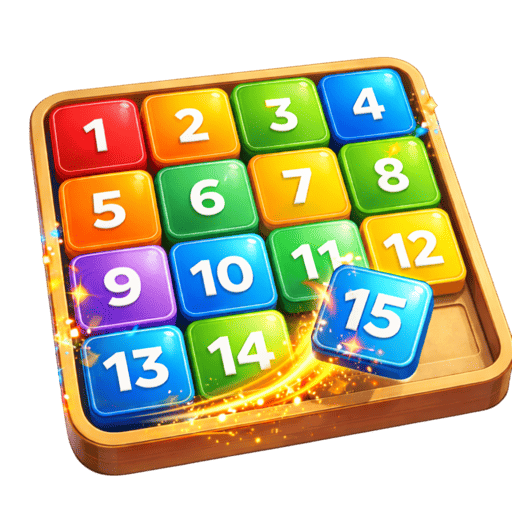
Prioritize Colors Sort for structured problem-solving and Sliding Numbers for working memory. These skills transfer directly to workplace decision-making.
For Seniors (Ages 55+)
Start with Word Search and Number Search for gentle cognitive maintenance. Progress to 2048 and Spider Solitaire for deeper strategic thinking.
Explore all Playtua features or check out our full game collection.
Keep Reading
The Bottom Line
Brain training doesn't require expensive subscriptions to specialized apps. The puzzle games in Playtua provide scientifically relevant cognitive challenges across logical reasoning, spatial awareness, pattern recognition, and processing speed.
The best part? These games are genuinely fun. You'll be training your brain without it feeling like work — and that's the most sustainable brain training routine of all.
📱 Download Playtua — App Store · Google Play — 10+ brain training games, completely free, works offline.
Featured Games

FAQ
How often should I play brain training games?
Which game is best for seniors?
More Articles
Download Playtua Free
50+ native 3D games, minimal ads, works offline. Go ad-free with Premium!
Download NowLearn a game from its own guide.
After “Best Brain Training Games That Actually Work in 2025”, explore the game guides and collections behind the stories. The dedicated game guides explain objectives, touch controls and practical tips in one place. Use them alongside the articles when you want the details for a particular game.
Penguin Run guide
Learn lane changes, jumping and sliding, then follow the goal of reaching the end of the jungle track.
ExploreBlock Blast guide
Understand block placement, line clearing and the space you need to keep open for the next shape.
ExploreCar Racing guide
Read the steering controls and learn how traffic, speed and the finish-line objective fit together.
ExploreFind a collection for your next break.
Collections group games around a style of session, from a few spare minutes to a longer offline journey. Their descriptions help you compare ideas without committing to a particular genre.
Quick-break games
Discover picks for a spare moment, with clear objectives and a range of controls and challenge levels.
ExploreOffline travel
Explore games for journeys and places where a reliable connection may be unavailable.
ExploreBrain-training picks
Browse puzzles and strategy games built around patterns, planning and making thoughtful choices.
ExploreMore stories from the collection.
Continue with a practical guide or a closer look at a way to play. These articles connect specific games with the everyday moments in which you might enjoy them.
Car Racing tips
Read ideas for handling traffic and building a more consistent run in Car Racing.
ExploreOffline games
Explore the collection’s offline side and ideas for choosing games before your next journey.
ExploreGames for families
Read the parents’ guide to choosing games from the collection and exploring them together.
ExploreOne collection on iOS and Android.
Choose your device’s store to see current compatibility, installation details and available purchase options. All games currently remain playable without a subscription; Premium badges are labels only.
App Store
Open the iOS listing to check device compatibility and install Playtua on your supported Apple device.
ExploreGoogle Play
Open the Android listing to review compatibility and installation details for your phone or tablet.
ExploreFree and Premium
Play the collection free with ads, or review the optional ad-free subscription. The purchase screen shows the current local price and billing terms.
Explore