 playtua
Games That Actually Improve Your Memory — Science-Backed Picks
Discover which games genuinely improve memory based on cognitive science research. Free memory-boosting puzzle games you can play daily. Explore the topic in detail, discover related games and follow the links to keep learning. Whether you are choosing your next game or returning to a favourite, use this story as a starting point for a more enjoyable round.

"Use it or lose it" isn't just folk wisdom — it's neuroscience. Your brain's memory systems are like muscles: they strengthen with targeted exercise and atrophy without it. But not all "brain games" are created equal. Some make impressive marketing claims with no scientific backing.
This guide focuses on game mechanics that are actually supported by cognitive science research for memory improvement.
How Memory Works (The Quick Version)
Your brain uses three memory systems:
Working Memory — Holding and manipulating information in real-time (like remembering a phone number while dialing)
Short-Term Memory — Retaining information for seconds to minutes
Long-Term Memory — Storing information for days to decades
Different games target different systems. A comprehensive memory training approach exercises all three.
Games for Working Memory
Working memory is the most trainable memory system — and the most impactful for daily life. It affects focus, problem-solving, reading comprehension, and decision-making.
All of these games are available for free on Google Play and the App Store — no subscriptions needed.
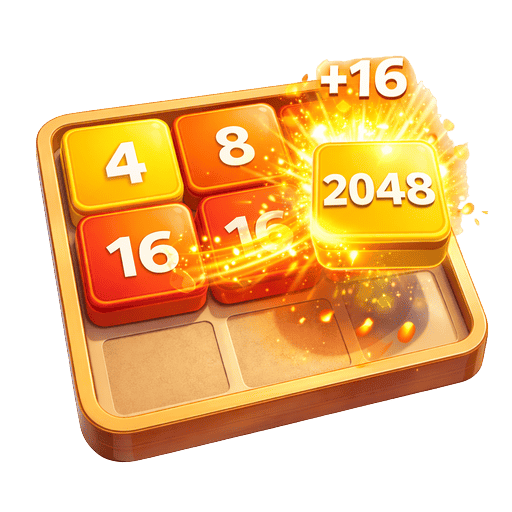
2048 — Multi-Step Mental Tracking
2048 demands that you hold the current board state in mind while simulating future moves. You must track: where your highest tile is, which tiles can merge, what the board will look like after your next move, and what might happen after that.
Memory mechanism: Each move requires updating your mental model of the entire board. This "mental workspace refresh" directly trains working memory capacity.
Research support: A 2017 study in Computers in Human Behavior found that strategic puzzle games requiring multi-step planning showed the strongest correlation with working memory improvements.
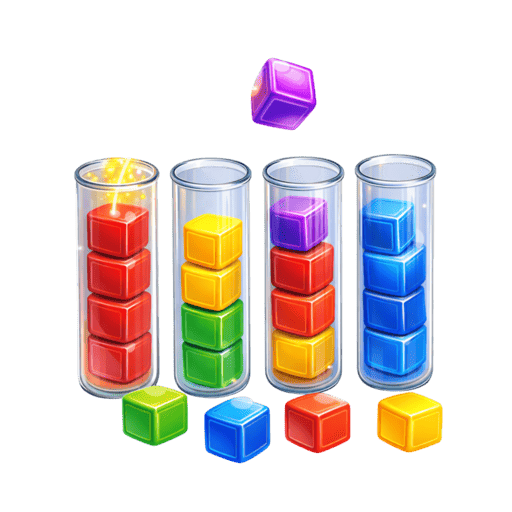
Colors Sort — Sequential Constraint Tracking
Colors Sort requires tracking which tubes have space, which colors are where, and planning multi-step sequences. You must hold the entire puzzle state in working memory to solve efficiently.
Memory mechanism: Each pour changes the puzzle state, requiring a complete working memory update. Planning 5+ moves ahead exercises maximum working memory load.
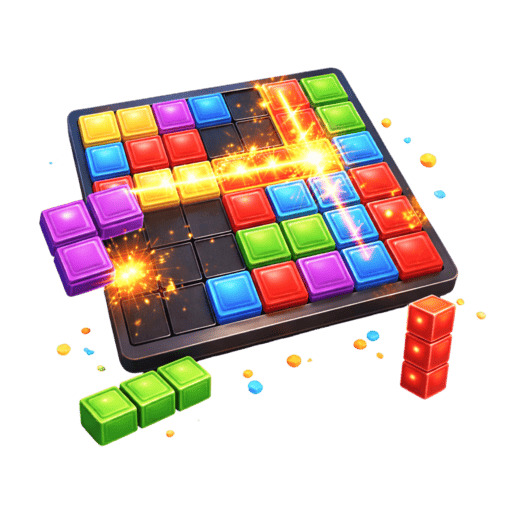
Block Blast — Spatial Working Memory
Block Blast trains spatial working memory — the ability to hold and manipulate spatial information mentally. You must visualize where blocks will fit, which lines are nearly complete, and how current placement affects future options.
Memory mechanism: Spatial working memory is distinct from verbal working memory, and Block Blast exercises it intensely.
Games for Pattern Recognition Memory
Pattern recognition is a form of memory that improves with practice — your brain learns to quickly identify and categorize visual and numerical patterns.
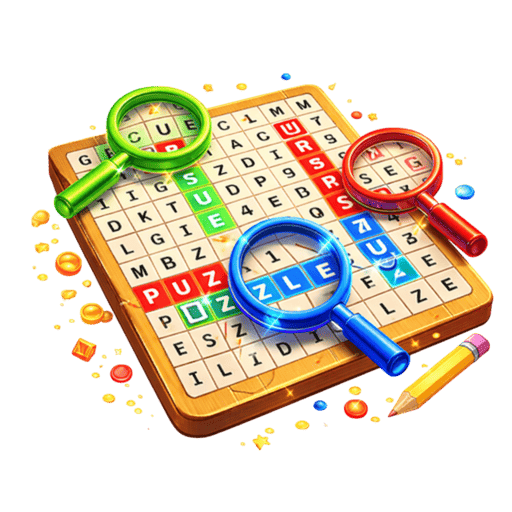
Word Search — Lexical Pattern Memory
Word Search exercises lexical (word-based) pattern memory. Your brain builds increasingly efficient letter-scanning algorithms the more you play, recognizing common letter patterns faster.
Memory mechanism: Over time, your brain develops "chunk" recognition — seeing "tion" or "ing" as single units rather than individual letters. This transfers to faster reading and better spelling.
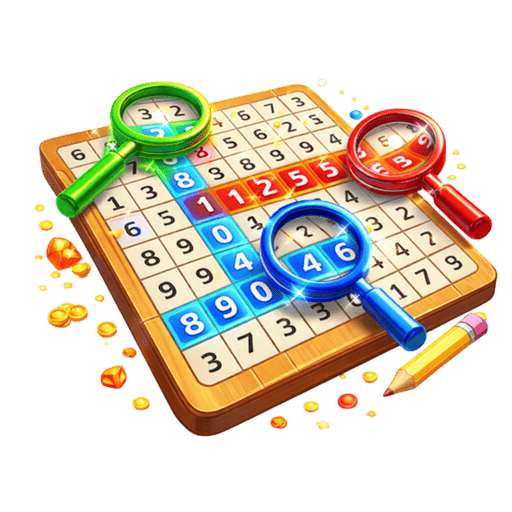
Number Search — Numerical Pattern Memory
Number Search trains the numerical equivalent of word pattern recognition. Finding number sequences in a grid builds pattern memory for digits, improving mental math and data processing.
Memory mechanism: Similar to word search but exercises the brain's numerical processing centers, providing complementary training.
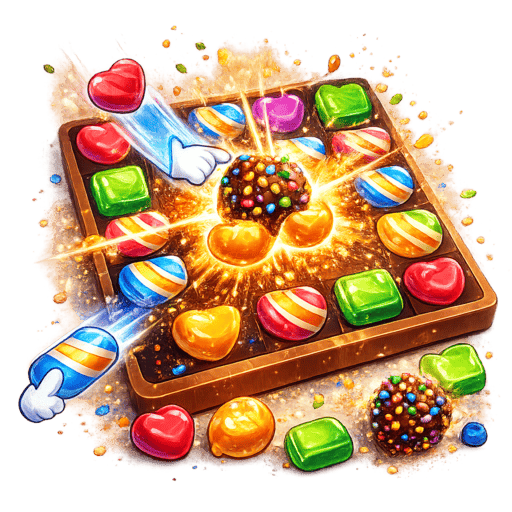
Candy Crush — Color Pattern Cascading
Candy Crush trains cascade pattern recognition — predicting how board states will change after a match. Experienced players develop pattern memory that lets them "see" chain reactions before they happen.
Memory mechanism: Your brain stores board patterns and their outcomes, building a library of visual patterns that enables faster future recognition.
Games for Spatial Memory
Spatial memory — remembering locations, layouts, and spatial relationships — is crucial for navigation, organization, and many professional tasks.
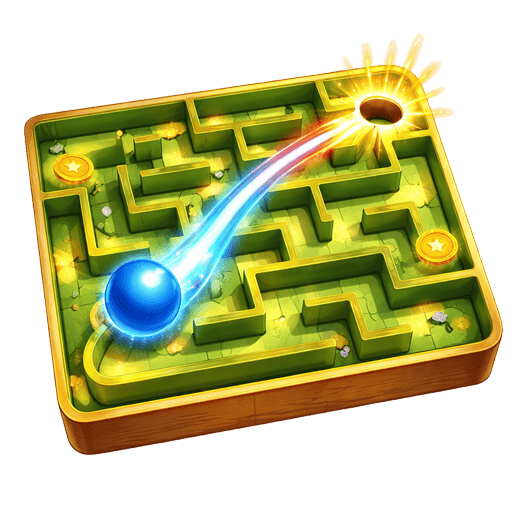
Maze Runner — Navigation Memory
Maze Runner directly trains spatial navigation memory. Each maze requires building and maintaining a mental map, remembering dead ends, and tracking your position relative to the goal.
Memory mechanism: The hippocampus (the brain's primary memory center) is heavily involved in spatial navigation. Regular maze-solving stimulates hippocampal activity, which research suggests supports overall memory function.
Research support: A landmark 2000 study of London taxi drivers found that extensive spatial navigation practice physically increased hippocampal size. While gaming isn't as intensive as professional navigation, the mechanism is identical.
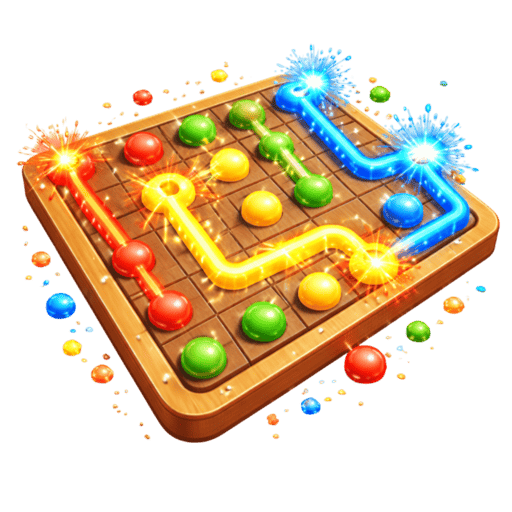
Connect Em All — Path Memory
Connect Em All requires remembering which cells are available, which paths you've already drawn, and planning spatial routes that don't intersect. The visual-spatial memory demands are significant.
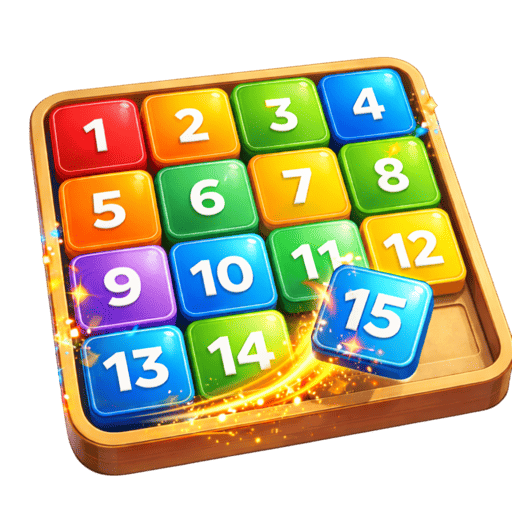
Sliding Numbers — Sequential Spatial Memory
Sliding Numbers trains sequential spatial memory — remembering the position of tiles and tracking how they shift with each move. Planning a solution requires holding multiple spatial states in memory simultaneously.
Games for Procedural Memory
Procedural memory is "how to" memory — the automatic skills your brain develops through repetition.
Spider Solitaire — Rule-Based Procedural Learning
Spider Solitaire develops card game procedural memory. Over time, common card configurations and their optimal solutions become automatic, freeing working memory for higher-level strategic thinking.
Memory mechanism: This "chunking" of procedural knowledge is how expertise develops in any domain.
The Optimal Memory Training Schedule
Based on cognitive science research, here's the most effective daily approach:
Morning Session (7 minutes)
Word Search (3 min) — Activate verbal pattern memory
Number Search (4 min) — Activate numerical pattern memory
Afternoon Session (7 minutes)
2048 or Colors Sort (7 min) — Working memory training
Evening Session (6 minutes)
Maze Runner or Connect Em All (3 min) — Spatial memory
Block Blast (3 min) — Spatial working memory
Total: ~20 minutes across 3 sessions
Why This Schedule Works
Variety prevents habituation (your brain stops growing when tasks become automatic)
Spaced sessions create more learning events than one long session
Multiple memory types ensure comprehensive training
Short durations maintain engagement without fatigue
Learn more about what makes Playtua different on our features page.
Keep Reading
What the Research Actually Says
Let's be honest about the science:
Strong evidence for:
Puzzle games improve performance on similar cognitive tasks
Regular cognitive engagement is associated with delayed cognitive decline in aging
Spatial navigation games stimulate hippocampal activity
Moderate evidence for:
Benefits transferring to everyday memory tasks
Long-term cognitive protection from regular gaming
Weak evidence for:
Raising IQ through brain games alone
Preventing dementia through gaming alone
The bottom line: memory games are a valuable part of cognitive health, alongside physical exercise, social engagement, quality sleep, and proper nutrition. They're not a magic bullet, but they're a genuinely helpful tool.
📱 Download Playtua — App Store · Google Play — 10+ memory-boosting games, free, no ads, play daily.
Featured Games
FAQ
How long should I play memory games each day?
At what age should you start playing memory games?
More Articles
Download Playtua Free
50+ native 3D games, minimal ads, works offline. Go ad-free with Premium!
Download NowLearn a game from its own guide.
After “Games That Actually Improve Your Memory — Science-Backed Picks”, explore the game guides and collections behind the stories. The dedicated game guides explain objectives, touch controls and practical tips in one place. Use them alongside the articles when you want the details for a particular game.
Penguin Run guide
Learn lane changes, jumping and sliding, then follow the goal of reaching the end of the jungle track.
ExploreBlock Blast guide
Understand block placement, line clearing and the space you need to keep open for the next shape.
ExploreCar Racing guide
Read the steering controls and learn how traffic, speed and the finish-line objective fit together.
ExploreFind a collection for your next break.
Collections group games around a style of session, from a few spare minutes to a longer offline journey. Their descriptions help you compare ideas without committing to a particular genre.
Quick-break games
Discover picks for a spare moment, with clear objectives and a range of controls and challenge levels.
ExploreOffline travel
Explore games for journeys and places where a reliable connection may be unavailable.
ExploreBrain-training picks
Browse puzzles and strategy games built around patterns, planning and making thoughtful choices.
ExploreMore stories from the collection.
Continue with a practical guide or a closer look at a way to play. These articles connect specific games with the everyday moments in which you might enjoy them.
Car Racing tips
Read ideas for handling traffic and building a more consistent run in Car Racing.
ExploreOffline games
Explore the collection’s offline side and ideas for choosing games before your next journey.
ExploreGames for families
Read the parents’ guide to choosing games from the collection and exploring them together.
ExploreOne collection on iOS and Android.
Choose your device’s store to see current compatibility, installation details and available purchase options. All games currently remain playable without a subscription; Premium badges are labels only.
App Store
Open the iOS listing to check device compatibility and install Playtua on your supported Apple device.
ExploreGoogle Play
Open the Android listing to review compatibility and installation details for your phone or tablet.
ExploreFree and Premium
Play the collection free with ads, or review the optional ad-free subscription. The purchase screen shows the current local price and billing terms.
Explore